Author: Tuo Liu
-

TianGong 3.0 Humanoid Released for Real Work
Beijing Innovation Center of Humanoid Robotics launched Embodied TianGong 3.0, a full-size general-purpose humanoid platform. The 169 cm, 62 kg robot has 43 DOF and runs on the Huisi Kaiwu embodied intelligence system. It shifts focus from demo performances to autonomous real-world tasks and industrial precision. The platform features open hardware/software, expandable interfaces, and full
-

Xiaomi Open-Sources Xiaomi-Robotics-0
Xiaomi-Robotics-0 is a 4.7B-parameter embodied AI system built to combine strong visual-language reasoning with fast, real-time action generation. The company aims to address common latency challenges found in earlier VLA models, enabling smoother and more responsive robotic behaviors.
-
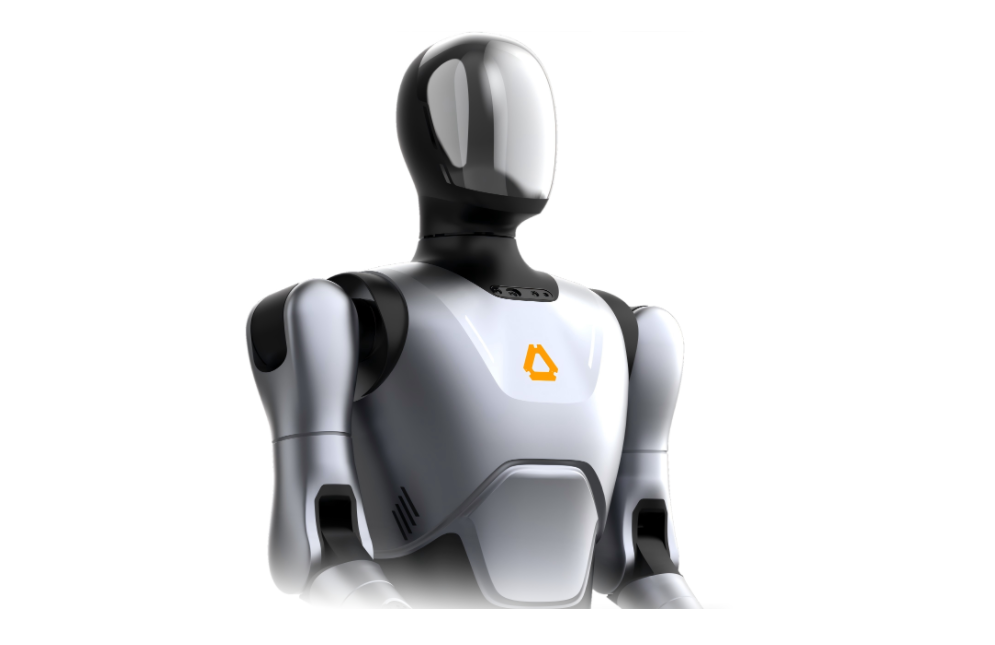
From Cars to Robots: China’s EV Giants Enter a New Race
Geely is working to transform itself from a carmaker into one of the largest robotics companies in China and potentially in the world. The company’s ambitions are reflected in OneStar Robotics, a startup founded by Li Xingxing, the son of Geely’s founder, which has raised several hundred million RMB in its seed round. Other Chinese
-

Meituan and JD Accelerate Robotics Investments Across China
China’s tech landscape is witnessing a surge in robotics investments, with industry giants like Meituan and Jingdong leading the charge. Meituan, widely known for its food delivery services, is rapidly expanding its presence in the robotics sector. The company has backed numerous robotics startups across consumer, industrial, and medical fields—and sources indicate there are at
-

Unitree’s New Patent Enhances Robot Choreography with Digital Twin
Unitree has applied for a patent on a digital-twin-based motion control method that lets robots adapt to stage environments and perform complex choreography. By combining sensing, mapping, dance design, and trajectory planning, it greatly enhances robotic dance performances.
-
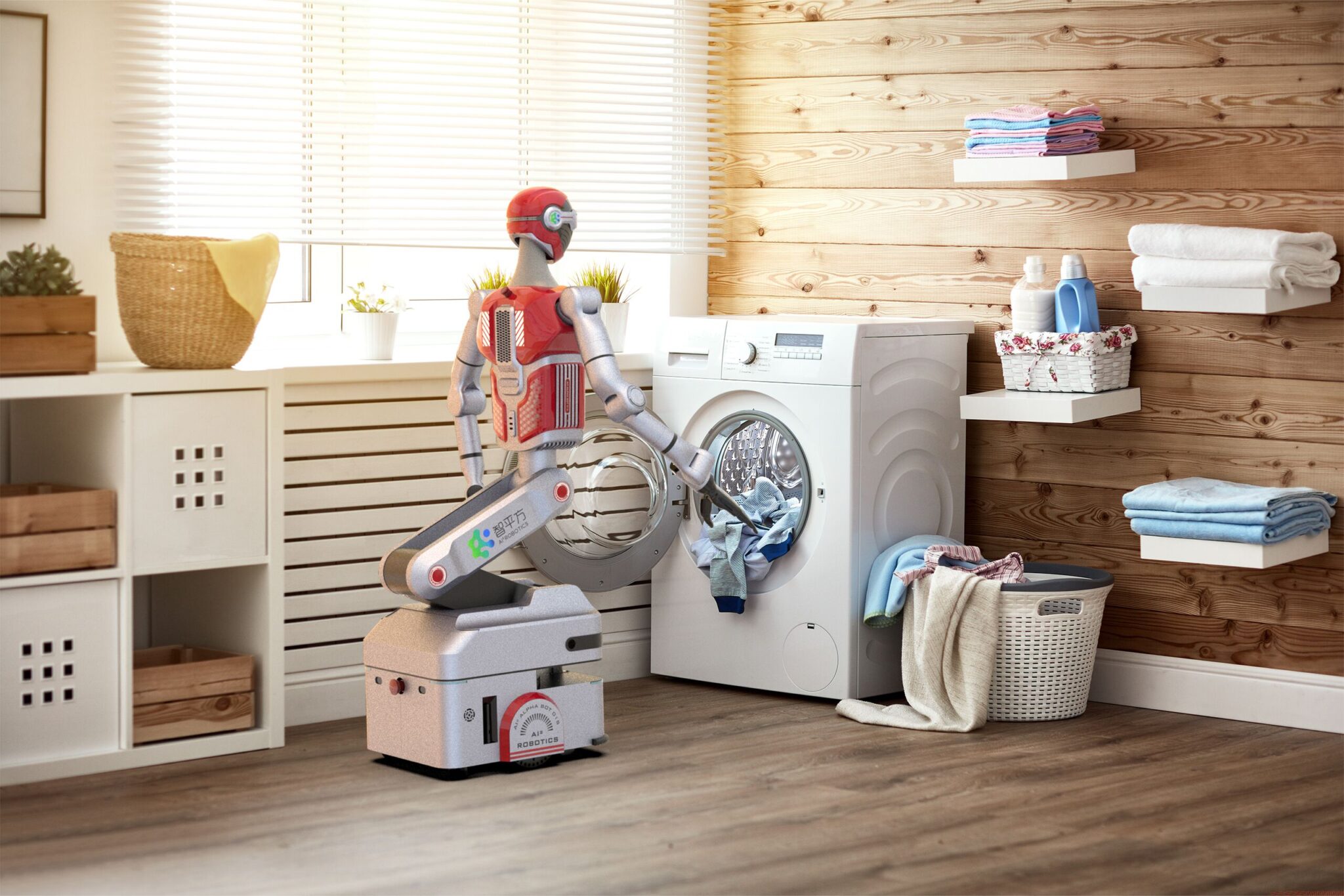
Shenzhen Capital Group Leads Funding Round for AI² Robotics
AI² Robotics, a Shenzhen-based robotics company, has completed a new round of funding led by Shenzhen Capital Group. Its AlphaBot is designed for both household and industrial use. The company’s founder, Yandong Guo, previously served as chief scientist at XPeng.
-

Robotics Boom Lifts RoboSense Profits
RoboSense has released its mid-year 2025 financial report. With the robotics industry booming, its robotics business now generates a 41.5% gross margin. Founded in 2014 and headquartered in Shenzhen, RoboSense holds the No. 1 global market share in LiDAR.
-

Xiaomi Auto to Turn Profit, Deliver 350K Cars in 2025
(Xiaomi’s New Headquarters in Shenzhen) Xiaomi Auto, founded in 2021, is set to become profitable in the second half of this year, according to William Lu, President of Xiaomi Group. The four-year-old EV company also plans to deliver 350,000 vehicles in 2025, an impressive feat for such a young player in China’s competitive electric vehicle
-
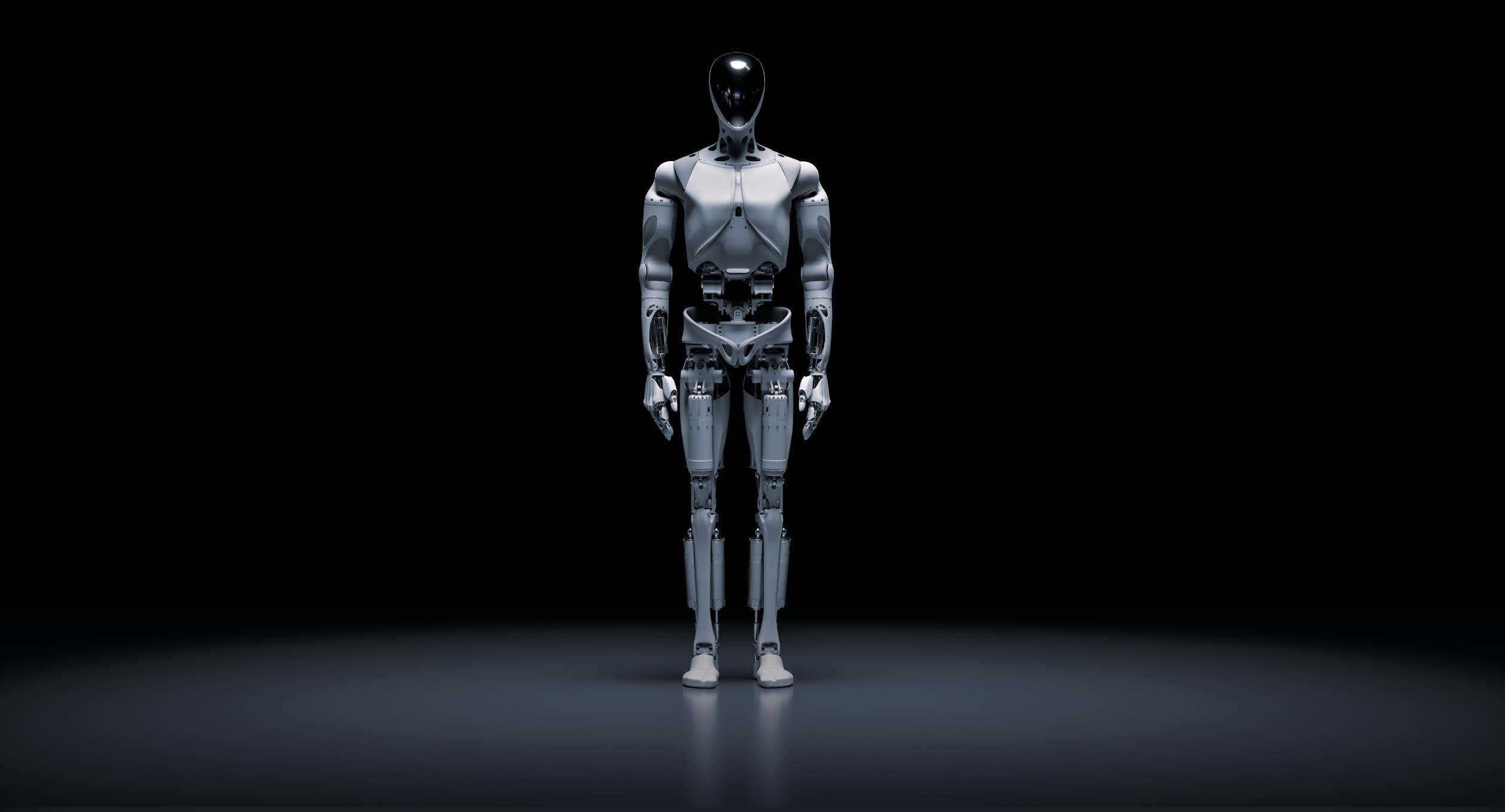
XPeng IRON Humanoid to Begin Mass Production in 2026
If it enters mass production, XPeng IRON could become one of the strongest competitors to Tesla Optimus. XPeng is already a leading EV player in China and has proven strength in autonomous driving. The company confirmed that the XPeng IRON humanoid will begin mass production in the second half of 2026.
-

Noetix Robotics’ Latest: Robots That Drum, Dance, and More
Noetix Robotics just closed its Series A++ funding round, raising several hundred million RMB, led by GP Capital. Their latest video showcases robots that can perfectly mimic human movements, including drumming, Kung Fu, bodybuilding, and dancing.
-
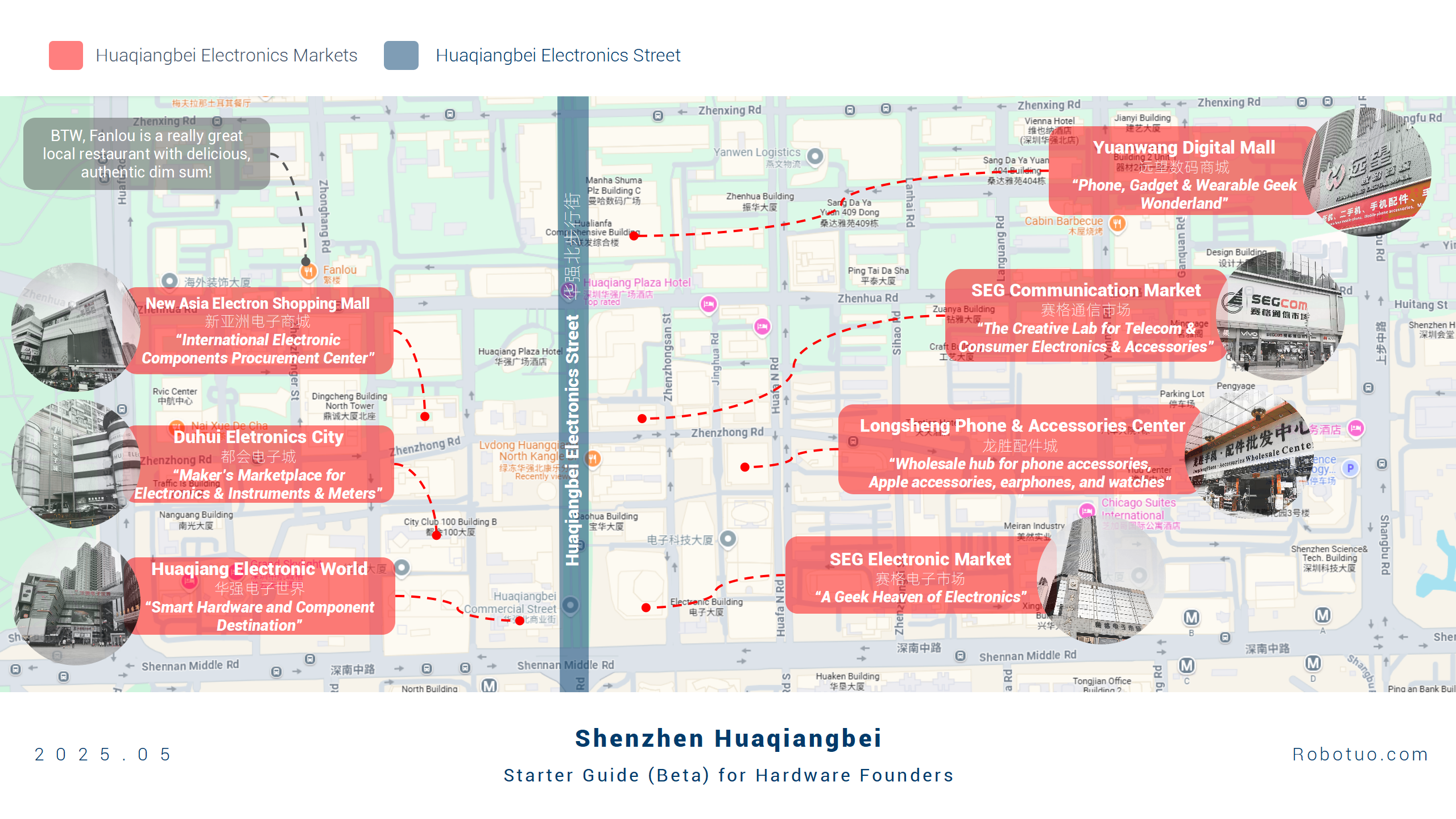
Explore Shenzhen’s Huaqiangbei with Robotuo’s New Guide (Beta) for Tech Innovators
Huaqiangbei, Shenzhen’s renowned electronics district, remains a global hub for hardware innovation, and Robotuo’s new Huaqiangbei Starter Guide (Beta) is here to help founders navigate this tech paradise. The guide highlights key locations along Huaqiangbei Electronics Street, including the New Asia Electron Shopping Mall, dubbed the “International Electronic Center” for sourcing components, and Duhui Electronics
-

Shenzhen’s ‘Robot Valley’ Emerges as Global Robotics Powerhouse in Nanshan District
If you want to explore Shenzhen’s robotics ecosystem, check out ‘Robot Valley’ around Liuxian Blvd in Nanshan District, surrounded by top robotics companies and universities in China and beyond. This hub brings together leading robotics companies such as DJI, UBTECH, Pudu, Mammotion, Narwal, LimX Dynamics, RoboSense, AI² Robotics, Dobot, and Kenging, alongside prestigious universities like
-
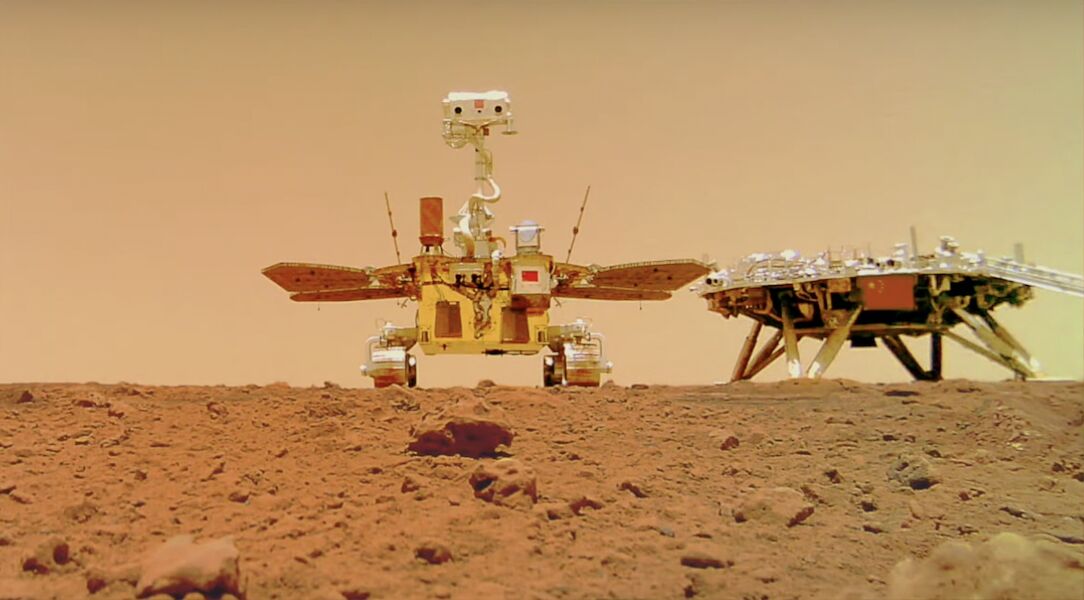
Zhurong Rover’s Discovery Shifts Evidence of Water on Mars to Mid-Latitudes
China’s Zhurong rover has uncovered compelling evidence of ancient oceans on Mars, identifying 76 underground sediment layers in Utopia Planitia. These layers, sloping at angles of 6° to 20° (averaging 14.5°), lie at depths of 10 to 35 meters and extend over 1.3 kilometers, resembling Earth’s coastal deposits and pointing to past ocean activity. Source
-
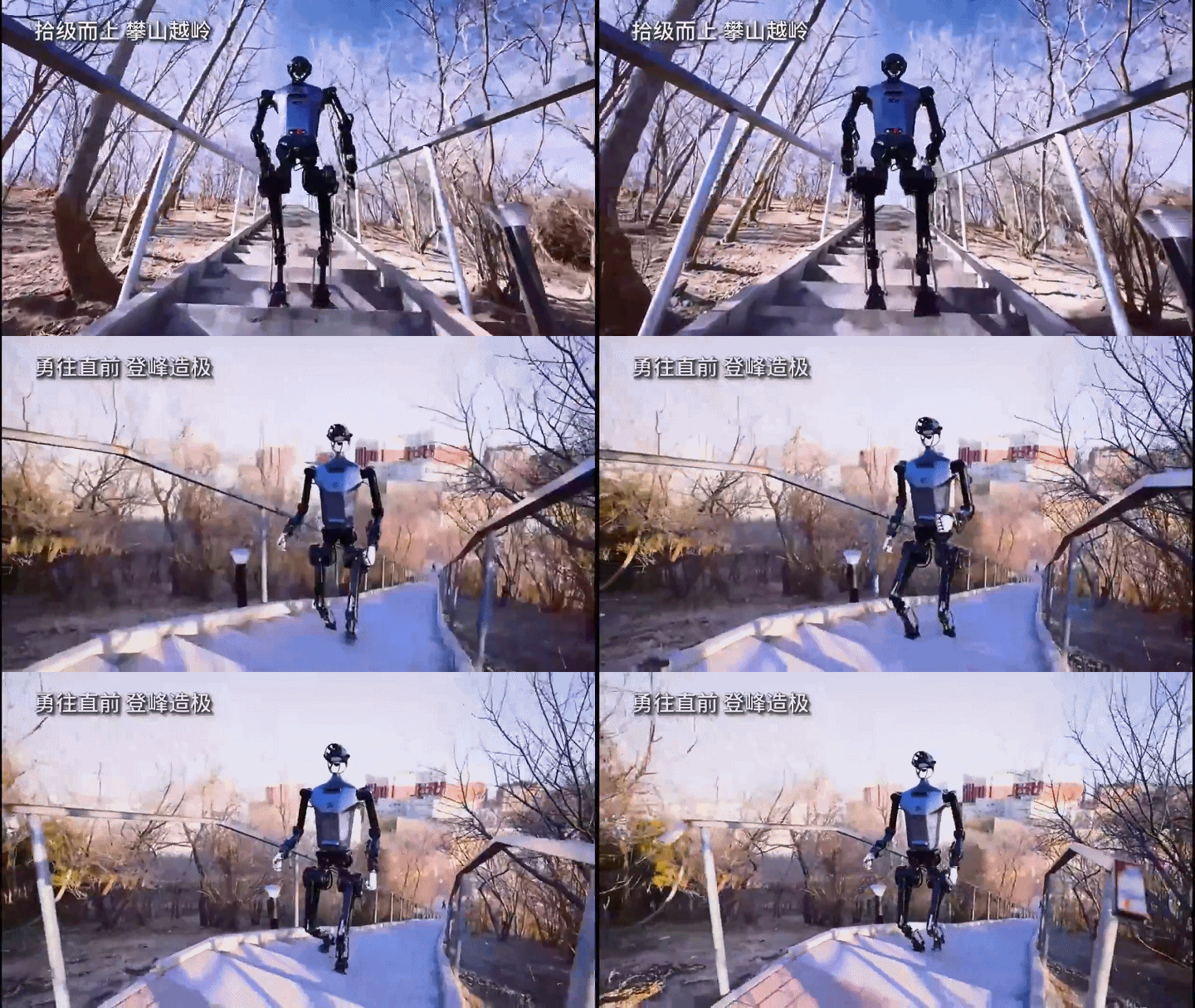
Tiangong Humanoid Doubles Speed, Climbs Stairs, and Withstands Heavy Hits
The ‘Tiangong’ humanoid robot, developed by the Beijing Humanoid Robot Innovation Center, just received a major upgrade. It can climb 35 cm stairs and navigate rough terrain. Source Faster Speed – Now runs at 12 km/h, doubling its previous 6 km/h. Enhanced Stability – Maintains balance on snow, sand, and slopes. Impact Resistant – Stays
-

Green Bots: The Future of Foldable, Edible Robots
In 2025, as robots dazzle everywhere from daily walks to dance floors, Professor Jiang Hanqing and his team at Westlake University unveiled a biodegradable origami robot in Science Advances—a modular creation made of cotton and pig skin that bends, twists, and almost fully decomposes in soil within eight weeks. Source Paper Link This eco-friendly ‘arm’
-

LimX Dynamics’ New Algorithm Cuts Costs, Enhances Robotic Performance Using Human Videos
LimX VGM needs just a minimal amount of video data from human operations. LimX Dynamics has launched LimX VGM, an AI algorithm that uses human video data to train models, enabling robots to perform tasks without real machine data. It generates manipulation trajectories and enhances spatial intelligence for scalable, cross-platform applications. This innovation reduces data
-

“Wangyu” and “Tansuo”: China’s Lunar Spacesuit and Rover Names Revealed
China’s moon-landing spacesuit is named “Wangyu” (望宇), meaning “gazing into the cosmos,” and the lunar rover “Tansuo” (探索), meaning “exploration.” Both names were chosen from 9,000 public submissions, highlighting China’s space ambitions and lunar exploration goals. Source The announcement marks a significant step in China’s lunar program as it advances plans to land astronauts on
-

Shenzhen Unveils Air-Ground Logistics Hub to Streamline Deliveries
Shenzhen unveiled its first air-ground smart logistics center in Bao’an District. This innovative hub combines drones and autonomous vehicles to optimize parcel delivery. Operated by Fengyi Technology, a subsidiary of SF Express, the facility aims to enhance delivery speed and efficiency. Source 1 Source 2 Drones bring parcels to the center, where autonomous vehicles complete
-

Tencent Yuanbao Expands Search Options with DeepSeek R1 Integration
Tencent Yuanbao now allows users to choose between the DeepSeek R1 and Tencent’s Hunyuan model. This integration with DeepSeek also supports online searches within Tencent’s ecosystem, including WeChat Official Accounts and Video Channels, to provide comprehensive answers.
-

Apple Chooses Alibaba for AI Collaboration on iPhone Features in China
Apple is partnering with Alibaba to develop AI features for iPhone users in China. Initially considering Baidu, Apple also explored options from Tencent and ByteDance. Alibaba’s Qwen AI model, one of the best open-source models globally, includes Qwen2.5-Max, which outperforms competitors like DeepSeek V3 and Llama 3.1. Congratulations to Alibaba and the Qwen team.